





At First Class Community Credit Union, protecting your financial information is one of our top priorities. Fraudsters are getting smarter, but with a little awareness, you can stay one step ahead. Here’s what you need to know to protect yourself.
Quick Tips to Avoid Fraud
- Never share personal info via text, email, or phone — unless you’re absolutely sure who you’re talking to.
- Don’t click on suspicious links or open unexpected attachments.
- Use strong, unique passwords and enable multi-factor authentication (MFA) when possible.
- Check your accounts regularly and report suspicious activity immediately.
- Keep your devices secure with updated antivirus and operating systems.
If You Think You’ve Been Scammed:
- Contact us immediately at 800-392-7122. The sooner we know, the more we can do.
- Change your passwords on any compromised accounts.
- Report the scam to the FTC at reportfraud.ftc.gov
Common Scams to Watch For
1. Impersonation Scams – Fraudsters pretend to be someone you trust — a credit union employee, government agent, or even a family member. They may:
- Claim your account is compromised and ask for login codes or PINs.
- Pressure you to move money or buy gift cards.
- Fake caller ID to appear legit.
Remember: First Class will never call, text or email you asking for your online banking credentials or passwords.
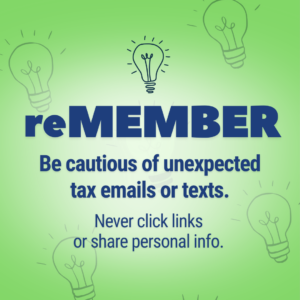
2. Phishing & Smishing – These messages try to trick you into clicking a malicious link or giving away personal info.
- Phishing = email fraud.
- Smishing = text fraud.


Red flags to watch for:
- Spelling errors or generic greetings like, “Dear customer.”
- Urgent language (“Your account will be closed if…”)
- Links that don’t match legitimate URLs
3. Online Marketplace & Payment Scams – Scammers often pose as buyers or sellers on sites like Facebook Marketplace or Craigslist. They may:
- Send fake payment confirmations
- Ask for advance payments or wire transfers
- Offer to “overpay” and ask you to refund the extra
Tip: Never send money to someone you haven’t met in person.
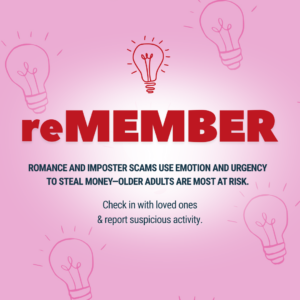
4. Romance & Investment Scams – These scams often start on dating or social media platforms. The scammer builds trust — then asks for money, cryptocurrency, or personal info.
Stay Informed
Fraudsters are always inventing new tricks. Stay ahead by:
- Following First Class Community CU on social media for scam alerts.
- Checking this page regularly for the latest tips
Need Help?
We’re here to support you. If you have questions or concerns about fraud, call us at 800-392-7122 or stop by one of our branches. Together, we can keep your accounts secure.